Of all the changes people notice during a GLP-1 journey, the eye area is often the first one that catches them off guard. Under-eyes can look hollow, lids can look crepey, and circles can seem darker, even when you're sleeping fine.
Quick answer: "Ozempic eyes" isn't a medical diagnosis. It's an informal way to describe under-eye hollowing, thinner-looking or crepey skin, and deeper shadows that can appear with significant weight loss. Eye skincare can support the look of smoother, firmer, more hydrated skin around the eyes and protect it from the sun. It cannot fill in hollows. That part is a conversation for a qualified aesthetic provider.
What does "Ozempic eyes" describe?
Like Ozempic face, the term is media shorthand, not a diagnosis. It's used for the same changes whether someone is taking Ozempic®, Wegovy®, Mounjaro® or Zepbound®, or losing weight another way. People usually mean some mix of:
- Hollow or sunken-looking under-eyes, sometimes with a more visible groove running from the inner corner of the eye toward the cheek
- Crepey, thin-looking skin on the lids or under the eyes
- Darker-looking circles, often from shadow rather than pigment
- Fine lines that seem more noticeable, especially at the outer corners
- A tired or drawn look overall, even when you feel rested
These changes are generally linked to significant or rapid weight loss, not established as a direct effect of any one medication.
Why the eye area often shows change first
The skin around your eyes is among the thinnest on the body, so whatever is happening underneath shows through more readily. A few things stack up:
- Less cushion underneath. Small fat pads under the eyes and in the upper cheek help keep the area smooth and full. When they shrink during weight loss, the under-eye can look hollow and the bony rim of the eye socket can become more visible.
- Shadows instead of pigment. A hollow catches less light. Much of what reads as "dark circles" during weight loss is shadow sitting in that hollow, which is why concealer alone often doesn't fix it.
- Constant movement. You blink thousands of times a day, squint and smile. Thin skin that moves constantly shows lines and crepiness sooner, especially as natural collagen and elastin decline with age.
- Sun exposure. The eye area is often missed with sunscreen, and UV exposure over time contributes to thinner-looking, more lined skin.
- Dryness. Eating and drinking less, or GI side effects, can leave skin drier overall. The eye area has few oil glands, so dryness shows there quickly. (More on dry skin during a GLP-1 journey →)
Hollows, crepiness or shadows? Know what you're seeing
The same quality vs. volume vs. laxity distinction from our Ozempic face guide applies around the eyes. Naming the concern tells you what's realistic.
| What you notice | What's usually behind it | Can eye skincare help? | What else to consider |
|---|---|---|---|
| Hollow, sunken under-eyes | Volume loss beneath the skin | No. Topicals can't replace lost volume | A qualified injector can discuss under-eye filler |
| Darker-looking circles | Shadow from hollowing, sometimes pigment or visible vessels | Partly. Hydration and SPF help skin look brighter; they won't remove shadow from a hollow | Volume treatment if the shadow comes from a hollow |
| Crepey, thin-looking skin | Skin quality: dryness, lower collagen and elastin | Yes. This is where eye skincare is most relevant | Microneedling or energy-based devices for more pronounced texture |
| Fine lines at the corners | Skin quality plus movement | Yes, for the look of smoother skin | Neuromodulators, if movement lines bother you |
| Loose or hooded upper lids | Laxity, excess skin | Mild cases only | Eyelid surgery is evaluated by a board-certified surgeon |
Most people see a mix. It's common to have both a hollow and crepey skin on top of it, and they're addressed in different ways.
What eye skincare can and can't do
It helps to be realistic about this before you spend money.
Eye skincare can:
- Support the look of smoother, less crepey skin
- Improve the appearance of hydration, so fine lines look softer
- Help skin look firmer and more resilient with consistent use
- Protect a delicate, often-missed area from daily UV exposure
Eye skincare can't:
- Fill a hollow or restore lost volume
- Lift skin that has significant laxity
- Work overnight. Visible change in skin quality typically takes weeks of consistent use. (A realistic timeline →)
If a product promises to "erase" under-eye hollows, be skeptical. That's a volume problem, and no cream solves it.
Ingredients worth looking for around the eyes
Eye products don't need dozens of actives. Look for a short list of well-understood ingredients in a formula made for thin, sensitive skin.
- Peptides support the look of firmer, smoother skin. Common ones in eye formulas include palmitoyl pentapeptide-4 and palmitoyl tripeptide-1.
- Antioxidants such as vitamin C derivatives and vitamin E help defend against environmental stress and support a brighter-looking surface.
- Hydrators and soothing botanicals such as aloe and glycerin support a plumper-looking, more comfortable surface.
- Mineral SPF (zinc oxide, titanium dioxide) protects the eye area during the day and is generally well tolerated by sensitive skin.
- Retinoids, with care. They can support smoother-looking texture, but eye skin irritates easily. If you use a retinoid on your face, keep it to the orbital bone and away from the lids unless a product is made for the eye area. (Using retinol during a GLP-1 journey →)
Fragrance and strong essential oils are worth avoiding right around the eyes if you're prone to irritation.
A simple eye routine, morning and night
The eye area slots into the routine you already have. It doesn't need its own ten steps. (Full GLP-1 routine, morning and night →)
Morning: protect
- Cleanse.
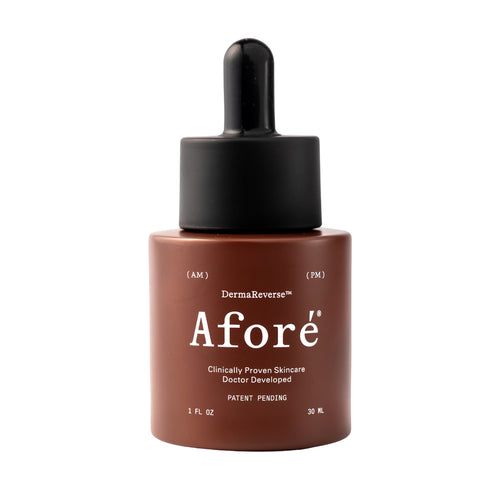
- Apply your face serum, such as DermaReverse, and moisturizer.
- Finish with SPF. Use an eye product with mineral SPF around the eyes and your regular sunscreen on the rest of the face.
Night: nourish
- Cleanse, gently. Don't scrub or tug at the eye area to remove makeup.
- Apply your face serum.
- Apply a nighttime eye cream around the eyes.
- Follow with moisturizer on the rest of the face.
How to apply around the eyes
- Use your ring finger. It naturally applies the least pressure.
- Pat, don't rub. Dot product along the orbital bone and tap it in.
- Stay off the lash line and lids unless the product is made for them. Product migrates toward the eye on its own.
- Less is more. Too much product around the eyes can lead to irritation or milia. Follow the amount on your product's directions.
From the Vault: a day-and-night eye pair
If you want products made specifically for the eye area, these two from our Vault cover morning and night. Vault products are available at special pricing while supplies last.
Morning: Rejuvenating Eye + SPF 15
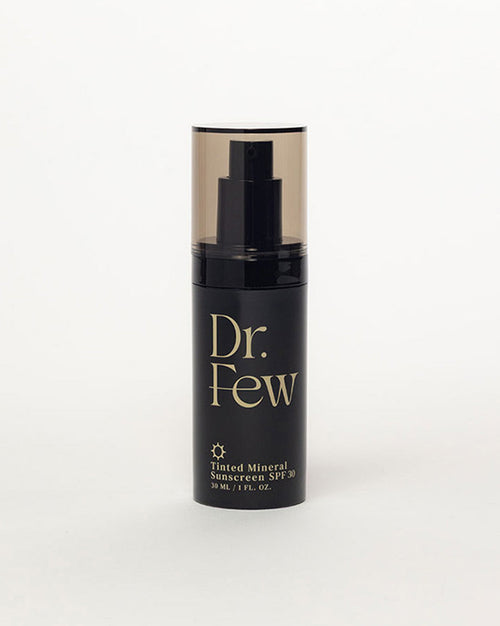
A lightweight, sheer eye cream with mineral sun protection (7% zinc oxide, 5% titanium dioxide), so the area most often skipped with sunscreen gets covered. It also contains peptides (palmitoyl tripeptide-1 and palmitoyl tetrapeptide-7) to support the look of firmer skin, plus antioxidants including vitamins C and E. Apply it as your last morning step around the eyes. SPF 15 is made for the eye area; keep using a broad-spectrum SPF 30 on the rest of your face, such as our Tinted Mineral Sunscreen.
Night: Eye Cream PM
A lightweight peptide eye cream on a soothing aloe base, made for sensitive skin. It combines palmitoyl pentapeptide-4 and palmitoyl oligopeptide, which support the look of smoother, firmer skin, with dipeptide-2 and hesperidin methyl chalcone, a pairing often used in formulas aimed at the look of morning puffiness. Pat a thin layer along the orbital bone before bed.
Using both? They're designed to work as a pair: protection by day, nourishing peptides at night, alongside DermaReverse for the rest of the face. See how to layer them →
Everyday habits that support the eye area
- Wear sunglasses. UV-blocking sunglasses protect the eye area and cut down on squinting.
- Stay hydrated. Some people drink less during GLP-1 treatment, and dehydration shows quickly in thin skin.
- Prioritize protein. Adequate protein supports the maintenance of muscle and other tissues during weight loss. A clinician or registered dietitian can help you find the right amount.
- Don't rub your eyes. Repeated rubbing and tugging can make crepey skin look worse over time.
- Sleep with your head slightly raised if you wake up puffy. Fluid can pool around the eyes overnight.
- Talk to your prescriber about pace. Faster weight loss can make facial changes more noticeable. Never change your medication, dose or schedule for a cosmetic concern without medical guidance.
When to see a professional
If hollowing is your main concern, or your upper lids feel heavy or hooded, skincare alone won't get you where you want to be. A board-certified dermatologist, plastic surgeon or experienced injector can talk through options, which may include:
- Under-eye filler to restore lost volume in the hollow
- Microneedling or energy-based devices for crepey texture and mild laxity
- Eyelid surgery (blepharoplasty) for excess upper or lower lid skin
The under-eye is a delicate area to treat, so choose a provider with specific experience there. Many people also prefer to wait until their weight has stabilized before pursuing volume treatments. Skincare and in-office treatments work well together; one doesn't replace the other. (Skincare vs. filler, laser and procedures →)
See a doctor promptly for any sudden swelling, eye pain, vision changes or a rash around the eyes. Those aren't cosmetic concerns.
Frequently asked questions
Does Ozempic cause hollow eyes?
That hasn't been established. Under-eye hollowing is associated with losing facial fat during significant or rapid weight loss, whether that happens with a GLP-1 or another method. Researchers are studying whether GLP-1 medications affect skin in other ways, but a direct effect on the eye area hasn't been shown.
Will under-eye hollows go away once my weight stabilizes?
There isn't enough long-term evidence to predict that for any one person. Some changes may soften over time; lost volume often persists. Skin quality concerns like dryness and crepiness tend to be the most responsive to a consistent routine. (Does Ozempic face go away? →)
Can eye cream fix dark circles from weight loss?
It depends on the cause. If the darkness is shadow from a hollow, eye cream won't remove it. If skin looks dull, dry or thin, hydration, antioxidants and daily SPF can help the area look brighter.
Do I really need a separate eye cream?
Not always. Many face products are fine around the orbital bone. A dedicated eye product makes sense if your face serum or retinoid irritates the eye area, or if you want SPF made to sit near the eyes.
How long until I see a difference?
Give any new routine at least four to six weeks of consistent use. Skin quality changes gradually.
Can I use eye products while pregnant or breastfeeding?
Some eye products contain vitamin A derivatives. If you're pregnant, breastfeeding or planning to be, check the ingredient list with your clinician first.
Keep reading
- Ozempic face: what it is, why it happens and what can help
- Saggy face after weight loss: why skin loosens and what helps
- Dry skin on Ozempic: why it happens and how to fix it
- Skincare vs. filler, laser and procedures
- GLP-1 skin glossary: elasticity, firmness, texture and hydration
Disclaimer: Aforé is not affiliated with, endorsed by or sponsored by the makers of any GLP-1 medication. Ozempic® and Wegovy® are registered trademarks of Novo Nordisk A/S; Mounjaro® and Zepbound® are registered trademarks of Eli Lilly and Company. "Ozempic eyes" is an informal, non-medical term. This article is for general education and is not medical advice. Do not change any medication, dose or treatment plan without speaking with your prescribing clinician. Aforé products are cosmetics and are not intended to diagnose, treat, cure or prevent any disease. Individual results vary.